
TOKYO, 2nd Nov: Japan is preparing to take its military spending to a whole new level. Prime Minister Sanae Takaichi’s government is considering a five-year defence budget of up to 80 trillion yen, nearly double the current allocation and a major shift in the country’s security priorities.
Japan’s government and ruling coalition are considering a sharp increase in defence spending over the next five years, according to two people familiar with the matter.
The proposed allocation would cover the five-year period beginning April 2027. The government is weighing a defence build-up budget of between 70 trillion yen and 80 trillion yen.
That translates to approximately $567 billion to $648 billion.
For context, Japan’s current five-year defence programme, which began in fiscal year 2023, allocated around 43 trillion yen. The new proposal would push spending to roughly 1.6 to 1.9 times that level.
In other words, Japan is looking at a substantial military spending expansion, not a routine budget adjustment.
The proposal reflects Prime Minister Sanae Takaichi’s push to strengthen the country’s military capabilities. However, the final figure remains unsettled, and the government still has to work through the budget process.
Japan’s proposed military spending increase comes amid a security environment in East Asia that one source described as a major factor in the debate.
The government is considering the scale of investment required to strengthen its defence capabilities over the coming years.
The second source familiar with the matter said the final figure could settle in the mid-to-late 70 trillion yen range.
But there is a catch.
The source also questioned whether even that level of spending would be enough given the regional security environment.
That concern highlights the difficult calculation facing Japan’s leadership. Increasing the budget is one thing. Deciding whether the additional money will provide sufficient military capability is another.
The proposed range of 70 trillion yen to 80 trillion yen is still under discussion between the government and its coalition partners.
The debate is not simply about how much money Japan should spend. It also concerns what that money can realistically deliver.
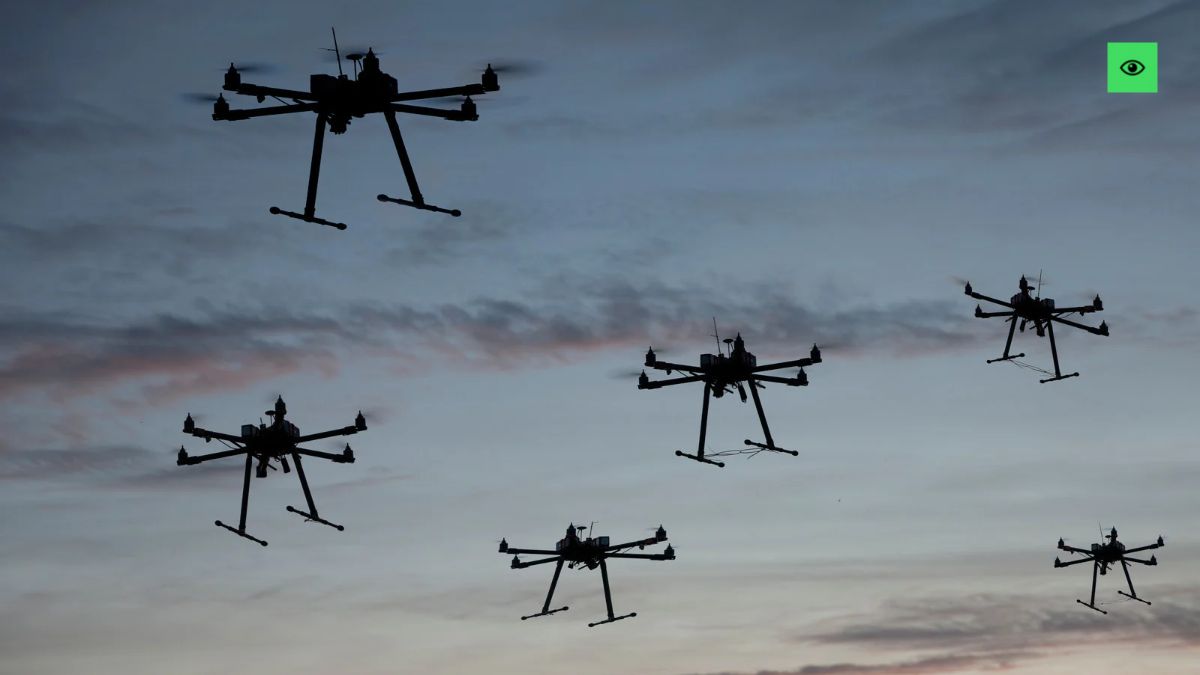
One of the expected priorities under the proposed spending programme is the purchase of large numbers of drones.
According to one source, the new defence allocation is expected to fund purchases such as these unmanned systems.
Drones are emerging as a significant procurement consideration within Japan’s planned military expansion. Their inclusion points to a focus on acquiring equipment that can strengthen the country’s defence capabilities.
The source also highlighted a financial complication: the weaker yen has increased the cost of defence equipment procurement.
That matters because a larger budget does not automatically translate into a proportionately larger arsenal.
When procurement costs rise, the same allocation can purchase less equipment than originally anticipated. Japan’s government therefore faces a budget challenge that goes beyond deciding how much money to allocate.
The proposed spending range is still being worked out, and the currency issue adds another layer to the calculation.
Japan’s current defence build-up programme was formulated at the end of 2022.
Under that programme, the government significantly increased planned defence spending from an initial allocation of 27.5 trillion yen.
The five-year plan, which began in fiscal year 2023, allocated approximately 43 trillion yen.
Its priorities included long-range missiles intended to support counter-strike capabilities, alongside ammunition and spare parts for military equipment.
The programme represented a substantial increase over the initial spending allocation.
Now, the government is considering another major expansion.
The proposed 70 trillion yen to 80 trillion yen range would mark a significant increase over the existing programme. It would also require Japan to determine how its next five-year defence build-up should be structured.
The earlier programme focused on missiles, ammunition and equipment support. The next proposal is expected to include substantial drone purchases as well.
That does not mean the government has finalised its procurement priorities. The details remain subject to the ongoing budget process.
The proposed spending figure is not final.
Japan’s government is compiling the budget towards the end of the year while also revising its three security-related documents.
The final allocation could therefore change before the government settles the plan.
Japan’s Defence Ministry declined to comment on the proposal at this stage.
The two sources familiar with the matter also indicated that the figure remains subject to debate.
One source expects the final allocation to land somewhere in the mid-to-late 70 trillion yen range. The other suggested that the broader security environment could require an even more substantial commitment.
These differing views underline the uncertainty surrounding the proposal.
The government must balance military requirements, procurement costs and the views of coalition partners before determining the final amount.
Japan’s proposed defence spending increase signals a major shift in the scale of its military investment.
A budget approaching 80 trillion yen would represent a substantial increase over the current five-year allocation. It would also give the government a larger spending envelope for equipment procurement, including drones.
Still, the final outcome remains uncertain.
The government has not confirmed the proposed range, and the Defence Ministry has declined to comment.
The next five-year programme will depend on the budget process and discussions between the government and coalition partners.
For now, Japan is considering a military spending plan that could nearly double its current five-year allocation.
The ambition is clear. The final number, however, is still being negotiated.

Any Comments?