
NEW DELHI, 6th Nov: Pakistan-occupied Kashmir is witnessing mounting unrest after a security operation in Rawalakot reportedly left at least seven civilians dead and 23 injured. Allegations of armed drone attacks, burning houses and civilian casualties have triggered widespread anger, with Pakistani social media users comparing their own security forces to the Israeli military.
Pakistan-Occupied Kashmir protests have now become a major flashpoint, exposing growing tensions between residents and Islamabad over political representation, economic hardship and demands for basic rights.
PAKISTAN-OCCUPIED KASHMIR PROTESTS TURN VIOLENT
The latest violence followed a November 5 operation involving Pakistan Rangers, Frontier Corps personnel and local police. Security personnel moved to clear protest sites occupied by the Jammu and Kashmir Joint Awami Action Committee (JAAC).
The organisation has been leading demonstrations since June, demanding political and economic reforms in the region.
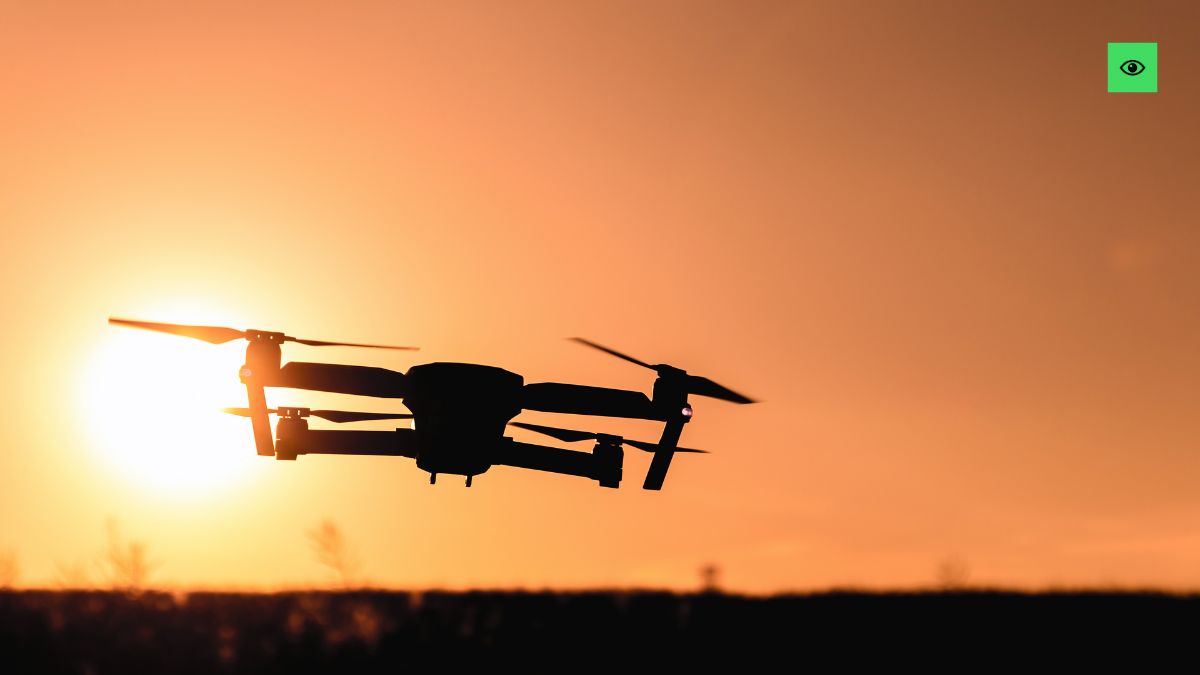
According to reports, Pakistani security personnel opened fire and allegedly deployed armed drones in Rawalakot on Thursday. The operation reportedly killed seven civilians and injured another 23.
However, casualty figures remain disputed. While India Today TV reporter Manjeet Negi reported seven deaths, some Pakistani journalists suggested that the number could be around 12, including children.
Videos and photographs circulating online have added to public anger. Images reportedly show burning buildings, injured protesters, demonstrations and funeral processions involving people killed during the crackdown.
JAAC leader Sardar Umar Nazir also shared a video displaying what he described as fragments of bombs recovered after a drone attack.
He alleged that drones were targeting protest camps from multiple directions and appealed to residents to reach Rawalakot as the security operation intensified.
PAKISTANIS COMPARE SECURITY FORCES TO ISRAELI MILITARY
One of the most striking developments has been the criticism coming from Pakistani citizens who have traditionally supported Islamabad’s position on Palestine and condemned Israeli military operations in Gaza.
Islamabad-based Seema Bali, who identified herself as a Kashmiri, expressed disappointment with Pakistan’s handling of the protests.
She wrote on X that she had always supported Pakistan but believed the country had failed communities in Khyber Pakhtunkhwa, Balochistan and now Kashmir.
Bali directly compared the conduct of Pakistani security forces to the Israel Defence Forces (IDF), arguing that the authorities were using force against peaceful demonstrators.
Kashmiri activist Sohaib Khan, based in Abu Dhabi and associated with the Jammu and Kashmir Liberation Front (JKLF), also drew parallels between Rawalakot and Gaza.
He referred to reports of burning houses following alleged drone attacks and described the scenes as resembling those emerging from the Palestinian territory.
Such comparisons reflect the anger expressed by sections of Pakistani society over the reported civilian casualties and the security operation.
BURNING HOUSES AND ALLEGED ROCKET ATTACK ORDERS
Reports emerging from Rawalakot have raised further questions about the methods used during the crackdown.
Pakistan-based CBC News reporter Ali Mustafa shared several updates on X, citing videos and information received from activists in Pakistan-occupied Kashmir.
One video reportedly showed a house burning near Rawalakot’s bus terminal. The person recording the footage alleged that security forces had targeted the building.
However, Mustafa cautioned that it was unclear whether anyone was inside the house or whether the fire had been caused by explosives or artillery.
Another update referred to purported intercepted communications allegedly involving security personnel. One reported instruction included the words: “Target this house with 3-4 rocket-propelled grenades (RPGs).”
The authenticity of this recording has not been independently verified by India Today Digital.
Mustafa also shared footage of a demonstration in which protesters reportedly displayed the bodies of JAAC activists killed during the operation.
Protesters could be heard repeatedly demanding answers and accountability for the violence.
WHY ARE PEOPLE PROTESTING IN PAKISTAN-OCCUPIED KASHMIR?
The unrest did not begin overnight. Pakistan-occupied Kashmir protests have been building since June, driven by demands for political representation, affordable essentials and greater autonomy.
The Jammu and Kashmir Joint Awami Action Committee has presented a 38-point charter outlining its demands.
These include:
- Cheaper electricity for residents.
- Subsidised wheat and essential food supplies.
- Better healthcare facilities.
- Improved educational infrastructure.
- More employment opportunities.
- Greater political autonomy.
- Changes to the existing political representation system.
One major point of disagreement concerns the 12 Assembly seats reserved for Kashmiri refugees settled in other parts of Pakistan.
Protesters argue that these seats allow Islamabad to influence local political decisions and weaken the region’s representation.
Electricity costs have also become a major source of frustration. Residents point out that the region generates substantial hydropower but continues to face high electricity bills.
For demonstrators, the issue is straightforward: local resources should translate into affordable services and better living conditions for local communities.
JAAC’S BAN AND THE GROWING POLITICAL CONFRONTATION
The confrontation intensified after Pakistan banned the JAAC under anti-terrorism laws in June.
Authorities also arrested activists and imposed communication restrictions during the agitation.
The protests have continued despite these measures, with residents raising concerns about resource exploitation, civilian casualties and political interference by Islamabad and Rawalpindi.
Rawalakot has emerged as an important centre of resistance.
The November operation has now added another dimension to the confrontation, with allegations of drone attacks and civilian deaths pushing the issue beyond demands for economic relief.
THE BIGGER QUESTION: ACCOUNTABILITY FOR CIVILIAN CASUALTIES
The developments in Rawalakot have placed Pakistan’s handling of the protests under intense scrutiny.
The reported deaths, alleged use of armed drones and videos of burning residential buildings have fuelled public criticism. At the same time, disputed casualty figures and unverified recordings underline the need for independent verification of the available evidence.
The central issue remains the demands raised by residents: affordable electricity, food security, political representation and greater autonomy.
A security operation may clear a protest site. It does not automatically resolve the grievances that brought people onto the streets.
For Pakistan, the immediate challenge is to establish what happened in Rawalakot, clarify the civilian casualty figures and address the demands behind the continuing agitation.

Any Comments?