
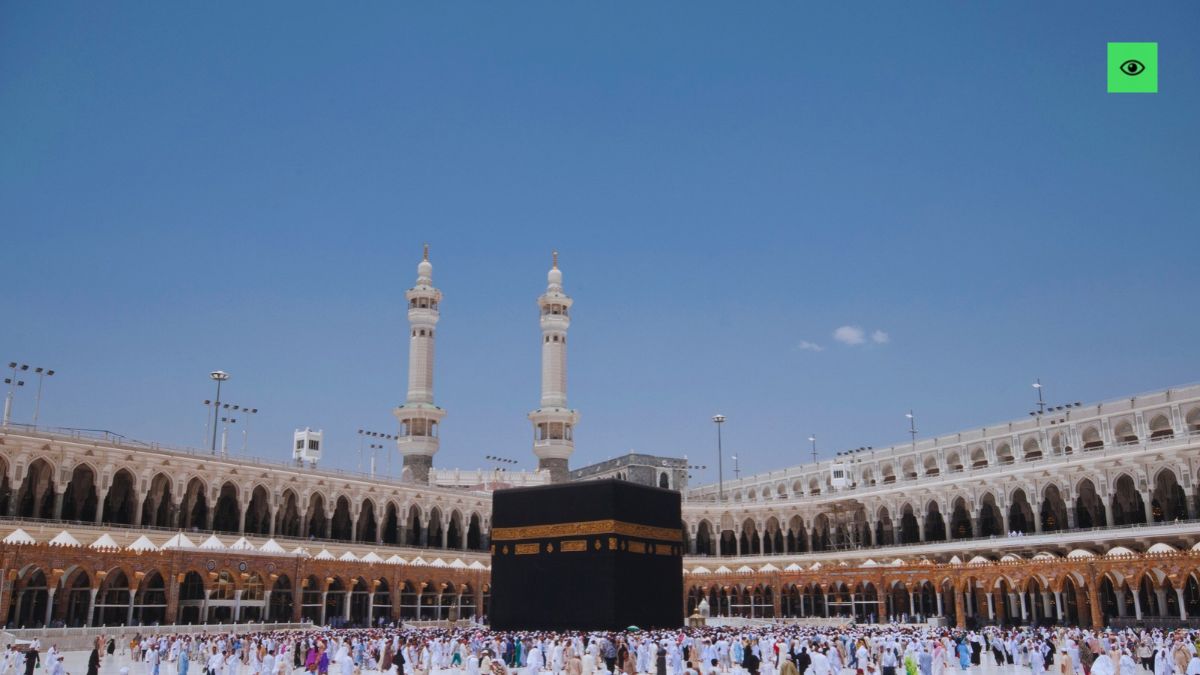
RIYADH, 30th Oct: Saudi Arabia says it has intercepted and destroyed a drone launched towards its Mecca region. The incident adds another dangerous layer to an already escalating confrontation with Yemen’s Iran-backed Houthis. And with missiles and drones appearing in successive reports, regional tensions are showing little sign of easing.
Houthi Drone Attack Puts Saudi Arabia on Alert
The Saudi-led coalition in Yemen reported that its air defences intercepted and destroyed a drone heading towards the Mecca region on Friday morning.
Coalition spokesman Turki al-Malki announced the interception in a social media post. He also reported that a separate missile targeting western Saudi Arabia had been brought down.
The latest developments come amid intensifying hostilities between Yemen’s internationally recognised, Riyadh-backed government and the Houthi movement, which is backed by Iran.
The geographical reference matters. Mecca is Islam’s holiest city. Any reported military threat involving its surrounding region carries enormous religious and political significance.
But there is an important distinction between an interception reported by Saudi Arabia and an attack confirmed by the Houthis.
Houthis Deny Targeting Mecca
The Houthi movement rejected the allegation that it had targeted Mecca or the surrounding region.
A spokesperson for the group insisted that its cross-border operations remained focused on Saudi energy infrastructure and military installations.
The spokesman also dismissed the Saudi-led coalition’s claims, accusing the Saudi government of spreading fabricated reports.
“Our operations target [Saudi] oil facilities and military bases,” the spokesperson said, adding that the group rejected what it described as allegations promoted by the Saudi regime.
The opposing accounts leave a central question unresolved: whether the drone was deliberately directed towards the Mecca region or whether the reported interception reflects a different operational target.
For now, the two sides remain firmly divided.
Saudi Arabia Reports More Missile Interceptions
The drone incident is not an isolated development.
On Thursday, the Saudi-led coalition announced that it had destroyed a ballistic missile launched by the Houthis towards the kingdom’s eastern region.
The coalition subsequently reported intercepting and destroying two more ballistic missiles aimed at Riyadh, the Saudi capital.
On Friday, al-Malki added another development to the list, saying that Saudi air defences had intercepted and destroyed a Houthi cruise missile targeting western Saudi Arabia.
Taken together, these announcements point to a continuing pattern of reported aerial threats against different parts of the kingdom.
The distinction between ballistic missiles, cruise missiles and drones is important. These are different weapons systems, with different operational characteristics. Their repeated appearance in reports from the coalition highlights the range of threats Saudi air defences claim to be confronting.
Why Mecca Makes This Incident Particularly Sensitive
The reported drone interception carries significance beyond the immediate military confrontation.
Mecca and Medina are Islam’s two holiest cities. Any allegation involving military activity near either location is bound to attract considerable attention across the Muslim world.
The Saudi-led coalition has previously accused the Houthis of launching drones towards both cities.
The Houthis, however, have consistently disputed such accusations, presenting their cross-border operations as attacks against Saudi energy and military infrastructure.
This disagreement adds another dimension to an already complicated conflict.
Saudi Arabia’s position is particularly sensitive because the kingdom is home to Islam’s holiest sites. Security concerns involving these locations have implications well beyond the battlefield.
Yemen Conflict Continues to Raise Civilian Concerns
While military developments dominate the headlines, the consequences of the continuing confrontation extend beyond missile interceptions and drone operations.
Humanitarian agencies have warned about worsening conditions for civilians as hostilities continue.
That warning deserves attention.
Military statements often focus on successful interceptions, destroyed weapons and the protection of strategic infrastructure. But the broader conflict also involves people living with insecurity and deteriorating humanitarian conditions.
For Yemen’s civilian population, another round of escalation offers little reassurance.
The continuing confrontation between the Riyadh-backed government and the Houthis also complicates the prospects for stability.
What Happens Next in the Saudi-Houthi Confrontation?
The latest developments underline the fragile security environment surrounding Saudi Arabia and Yemen.
The coalition has reported multiple interceptions involving ballistic missiles, cruise missiles and drones. The Houthis, meanwhile, have rejected allegations concerning an attack on the Mecca region and maintained that their operations target Saudi energy and military assets.
Neither side’s statements independently settle the competing claims.
What is clear is that the confrontation remains active, with reported threats reaching different parts of Saudi Arabia.
The immediate priority is preventing further escalation and protecting civilians.
A conflict involving missile launches, drone operations and the region’s most significant religious locations carries consequences that cannot be dismissed as routine military exchanges.
For now, Saudi Arabia says its air defences remain active. The Houthis are rejecting the latest accusation. And civilians continue to face the consequences of a conflict that shows no obvious signs of slowing.
The Saudi-Houthi confrontation is becoming increasingly difficult to dismiss as another routine exchange of military accusations.
The reported drone interception near Mecca is particularly sensitive, given the city’s significance to Muslims worldwide. However, allegations must be separated from independently established facts. Saudi Arabia has reported the interception, while the Houthis have denied targeting the holy city. Both positions deserve scrutiny rather than automatic acceptance.
The larger concern is the continuing escalation involving drones, ballistic missiles and cruise missiles.

Any Comments?