
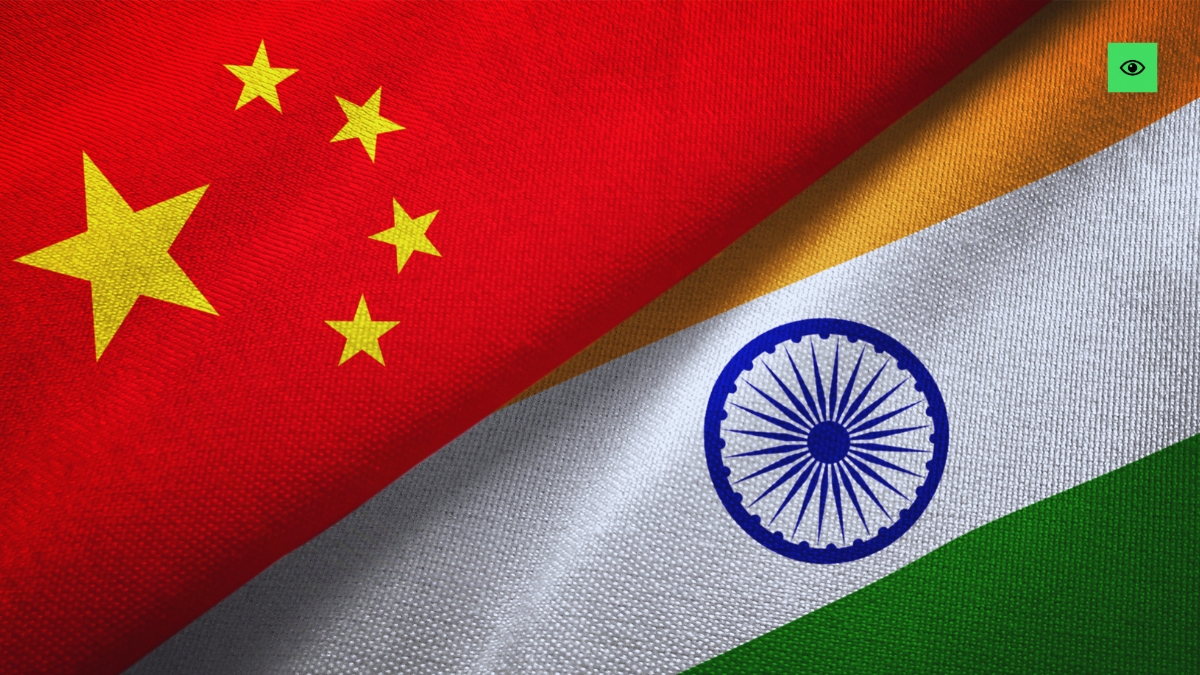
New Delhi, 25.08.26: India-China border talks took centre stage in Beijing on Tuesday as National Security Advisor Ajit Doval met Chinese Foreign Minister Wang Yi to discuss the long-running boundary dispute and the wider relationship between New Delhi and Beijing. The timing matters, with Chinese President Xi Jinping expected in New Delhi for the BRICS summit next month.
The latest India-China border talks come against the backdrop of a relationship that has been trying to move beyond the damage caused by the 2020 Galwan Valley clash and the prolonged military stand-off in eastern Ladakh.
Doval and Wang are the designated Special Representatives for the boundary negotiations, a mechanism created in 2003 to tackle the India-China border dispute, which stretches across 3,488 km.
This is not a fresh diplomatic experiment. It is an established channel that has survived years of friction, stalled progress and repeated rounds of negotiations. The border question remains unresolved, but the mechanism continues to give both sides a formal route for dialogue.
The timing of Tuesday’s discussions is difficult to ignore.
The talks were held ahead of Xi Jinping’s anticipated visit to New Delhi for the BRICS summit on September 12 and 13. If the visit takes place as expected, it could create an opportunity for Xi and Prime Minister Narendra Modi to meet on the sidelines and discuss the next phase of bilateral engagement.
Modi and Xi last met in August 2025 on the sidelines of the Shanghai Cooperation Organisation summit in Tianjin.
That makes the current diplomatic engagement particularly relevant. High-level talks before a potential leaders’ meeting can help establish the ground on which broader discussions take place.
But there is no magic wand here. The boundary issue remains one of the hardest problems in the relationship.
Differences concerning the border, including Arunachal Pradesh, continue to feature prominently in India-China ties. The latest discussions therefore have to be viewed as part of a longer diplomatic process rather than as a sudden breakthrough.
Doval and Wang Focus on the Boundary Question
The Special Representatives mechanism remains the principal channel for negotiations on the boundary question.
Chinese Foreign Ministry spokesperson Lin Jian said the talks would involve an in-depth discussion on the boundary as well as bilateral, regional and international issues.
He described the mechanism as the main channel for China-India negotiations on the boundary question and an important platform for discussing matters of mutual interest.
The 24th round of talks was held in August last year. According to Lin, the two sides exchanged views candidly and in depth and reached several common understandings.
The latest round is intended to continue that communication, with both sides working from the understandings reached by their leaders.
The immediate objective is straightforward: keep the border areas peaceful and tranquil while continuing discussions on the underlying dispute.
That distinction matters. Maintaining peace along the border and resolving the boundary dispute are related goals, but they are not the same thing.
Doval Meets Chinese Vice President Han Zhang
Before meeting Wang Yi, Doval met Chinese Vice President Han Zhang during his two-day visit to Beijing.
The discussions covered peace and tranquillity in the border areas and ways to improve bilateral ties across economic, political and multilateral forums.
The Indian Embassy said the discussions were held in line with the consensus reached between the leaders of the two countries.
Han also called for China and India to approach their relationship from a strategic and long-term perspective.
According to China’s state-run Xinhua news agency, Han said both sides should strengthen strategic mutual trust, explore opportunities for cooperation, maintain close multilateral coordination, manage differences properly and promote stable development in China-India relations.
The language is diplomatic, but the message is clear. Both sides are signalling an interest in preventing disagreements from overwhelming the wider relationship.
For India, however, stability cannot be separated from the border question. The 2020 Galwan clash demonstrated just how quickly tensions along the frontier can damage the broader relationship.
India-China relations suffered a severe setback following the Galwan Valley clash in 2020 and the subsequent military stand-off in eastern Ladakh.
Since then, both countries have taken steps aimed at stabilising ties.
The Special Representatives channel has not resolved the boundary dispute. That would be an enormous claim, and the facts don’t support it.
What it has provided is continuity.
Officials on both sides continue to regard the structured mechanism as useful for addressing recurring tensions and maintaining communication. In diplomacy, that matters. A channel that keeps functioning during difficult periods can prevent every disagreement from becoming a full-blown crisis.
The challenge is turning dialogue into durable stability.
That requires sustained communication, careful management of differences and continued attention to conditions along the border.
Xi Jinping’s Expected India Visit Adds Weight
Xi Jinping’s anticipated visit to New Delhi for the BRICS summit gives the latest discussions an additional layer of significance.
Chinese officials have so far avoided directly confirming the visit when questioned about it.
Lin Jian, while announcing the Special Representatives talks, did not give a direct response to a question concerning Xi’s expected India trip.
Still, the prospect of Xi visiting New Delhi naturally raises the possibility of a meeting with Modi.
Such a meeting could offer the two leaders a platform to discuss ways to advance bilateral relations. The groundwork, however, will depend heavily on the broader state of ties, particularly the border situation.
The Special Representatives discussions therefore have significance beyond the negotiating room.
They form part of the diplomatic preparation for managing one of the most consequential relationships in Asia.
The latest India-China border talks point to five broad signals.
First, both sides continue to use formal diplomatic channels despite unresolved differences.
Second, the boundary question remains central to the relationship. Neither side is treating it as a secondary issue.
Third, there is an emphasis on maintaining peace and tranquillity in the border areas.
Fourth, Beijing and New Delhi are also discussing economic, political and multilateral engagement, indicating that the relationship extends well beyond the frontier dispute.
Fifth, the expected BRICS summit visit by Xi gives the diplomatic engagement added importance.
None of these points amounts to a final settlement.
That is precisely why the talks matter.
India and China have a complicated relationship, and the border remains its most difficult fault line.
The latest discussions show that neither side has abandoned engagement. Doval and Wang are continuing a mechanism that has existed for more than two decades, while senior-level meetings are keeping communication open.
The immediate priority is stability.
The larger objective is to improve bilateral relations while managing the differences that continue to divide the two countries.
For India, that means maintaining a clear focus on peace along the border while keeping diplomatic engagement active. For China, the same process requires addressing differences without allowing them to derail the wider relationship.
The coming weeks could therefore be important.
With Xi Jinping’s expected visit to New Delhi for the BRICS summit, the diplomatic calendar is becoming increasingly crowded. The Special Representatives talks provide one more opportunity to keep the relationship moving through dialogue rather than confrontation.
There is no shortcut to resolving a 3,488-km boundary dispute. There is, however, value in keeping the conversation alive.
And for India-China relations, that may be the most practical place to start.
What matters is that both sides are still talking through an established mechanism, while also discussing the wider relationship. After the severe strain caused by the Galwan Valley clash and the eastern Ladakh stand-off, keeping diplomatic channels functional is not a minor achievement.
India should continue to engage, but with clarity. Peace and tranquillity along the border must remain central to the relationship. Wider economic, political and multilateral cooperation can move forward, but it cannot simply make the boundary question disappear.
The sensible approach is disciplined diplomacy, sustained communication and proper management of differences. No drama. No shortcuts. The border issue took years to become this complicated, so expecting one round of talks to solve it would be unrealistic.
The immediate goal should be stability. The longer-term goal should remain a durable solution to the boundary question.
That is the road worth taking.

Any Comments?