
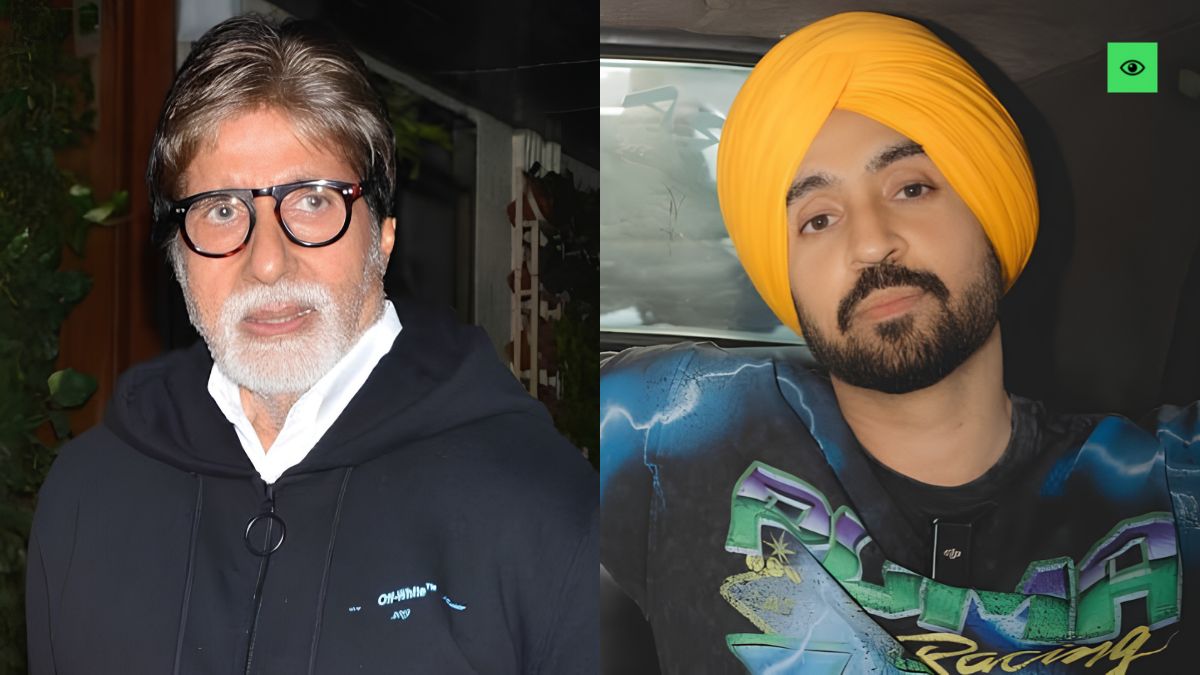
MUMBAI, 23rd Oct: Mumbai is on heightened security alert after a threatening email named Mayor Ritu Tawde’s office, Amitabh Bachchan’s Juhu residence and Diljit Dosanjh’s upcoming concert venue among its alleged targets. The message also mentioned a possible grenade attack on a school and included references to Khalistan, prompting police to intensify surveillance and launch an investigation.
Mumbai Bomb Threat Puts Security Agencies on High Alert
Mumbai Police and security agencies have stepped up vigilance following a threatening email received by Mayor Ritu Tawde on Friday morning. The message reportedly threatened attacks at several locations across the city, including the mayor’s office at the Brihanmumbai Municipal Corporation (BMC) headquarters.
The email was also marked to Deputy Mayor Sanjay Ghadi, according to the information shared by officials.
The threats named multiple locations and individuals, turning what began as an email received by civic authorities into a wider security concern involving a prominent public office, a Bollywood star’s residence, an upcoming concert and educational institutions.
Authorities have responded by increasing security arrangements and examining the authenticity of the message.
There is an important distinction here. A threatening email is not proof that an attack is planned or imminent. Investigators must establish whether the sender has the means, intent or credibility to carry out the threats. Until that assessment is complete, however, security agencies cannot afford to treat such messages casually.
What Did the Threatening Email Claim?
According to police, the email contained several specific threats involving dates and locations.
The message reportedly warned of a grenade attack on a school on October 31. It also threatened to target Amitabh Bachchan’s Juhu residence, Jalsa, sometime between October 31 and November 27.
Another claim concerned singer Diljit Dosanjh’s concert scheduled for November 27 at Mahalaxmi Racecourse in Mumbai. The email allegedly warned of an attack during the event.
The message also contained references to Khalistan, adding another dimension to the investigation. However, the presence of such references does not, by itself, establish who sent the email, whether the sender belongs to any organisation or whether the threat is credible.
Police are working to verify the message, trace its origin and identify the person responsible.
For now, the claims contained in the email remain allegations under investigation. The authorities have not established that any of the threatened attacks will take place.
Mumbai Mayor’s Office Searched, Nothing Suspicious Found
Following the email, officials conducted a thorough search of the mayor’s office at the BMC headquarters.
The search did not uncover anything suspicious, according to an official.
That finding is significant, but it does not bring the wider investigation to a close. The email named other locations, and authorities have consequently directed security teams to increase surveillance at the places mentioned in the message.
The measures include heightened vigilance at the mayor’s office, Mahalaxmi Racecourse, prominent educational institutions and other locations identified in the threat.
The investigation also aims to establish the authenticity of the email and trace its sender.
Digital threats can create substantial operational pressure even when no suspicious object is found at the first location searched. Police must assess each named target, coordinate security arrangements and determine whether the message contains information that points to a genuine risk.
That process takes time. It also explains why authorities may increase security before publicly establishing the credibility of a threat.
Diljit Dosanjh’s Mumbai Concert Under Security Scrutiny
Diljit Dosanjh’s scheduled November 27 performance at Mahalaxmi Racecourse has been named in the Mumbai threat email.
The concert is now among the events requiring heightened security attention, according to the reported instructions issued to law enforcement authorities.
The development comes amid separate concerns surrounding Dosanjh’s Delhi concert, scheduled for October 30 at Jawaharlal Nehru Stadium.
Delhi Police has reportedly refused permission for the event, citing specific threat-related inputs alongside security and law-and-order commitments during the festive season.
In a letter to ticketing partner BookMyShow, the Office of the Deputy Commissioner of Police, South District, stated that the request to organise the concert had been examined but could not be approved in view of the cited concerns.
Deputy Commissioner of Police Anant Mittal confirmed that permission had not been granted but did not provide further details.
The Delhi permission issue and the Mumbai threat email are separate developments. They should not be treated as evidence that the two incidents share a common source or coordinated plan.
Nevertheless, both have placed additional attention on security arrangements surrounding the singer’s upcoming performances.
Delhi Schools Also Received a Hoax Bomb Threat
Security concerns surrounding Dosanjh’s Delhi concert follow a separate incident involving threatening emails sent to schools in the national capital.
A senior police officer said six schools received an email on October 15 warning students against attending the singer’s October 30 concert. The message reportedly contained pro-Khalistani slogans.
The schools named in the reports included The British School, Mount Carmel, Ahlcon International School and Ahlcon Public School.
Authorities subsequently determined that the school bomb threat was a hoax.
Although that incident did not result in a confirmed attack, it added to the security concerns surrounding the Delhi concert.
The distinction matters. The earlier email was reportedly found to be a hoax, while the Mumbai email remains under investigation. There is currently no established basis in the supplied information to conclude that the messages originated from the same person or group.
Investigators will need evidence, not merely similarities in wording or references, to establish any connection.
BookMyShow Listing Adds Uncertainty Over Delhi Concert
Despite Delhi Police refusing permission for the October 30 concert, the event reportedly remained listed on BookMyShow’s website and app as of Thursday evening.
That created uncertainty for concertgoers about the status of the performance.
An online ticket listing, however, does not establish that an event has the necessary police permissions to proceed. Organisers, ticketing platforms and the relevant authorities must resolve the situation before the event’s status can be considered clear.
According to the supplied reports, Dosanjh and his team had not issued a public statement addressing either the Delhi permission issue or the latest threatening email received in Mumbai.
With the Delhi event approaching and the Mumbai concert scheduled for November 27, the security situation remains an important issue for attendees and event organisers.
Any further decisions concerning the concerts will depend on official permissions, security assessments and announcements from the relevant parties.
What Happens Next in the Mumbai Bomb Threat Investigation?
Mumbai authorities have launched an investigation to establish whether the email represents a credible threat, identify its origin and determine who sent it.
Security has been increased at the locations named in the message, including the mayor’s office, Mahalaxmi Racecourse and educational institutions.
The immediate priority is to assess the threat without overlooking any potential risk. At the same time, authorities must avoid treating unverified claims as established facts.
For residents, the practical takeaway is straightforward: rely on official police and administration updates rather than unverified social media messages. Anyone receiving a suspicious threat should report it to the appropriate authorities instead of circulating the message without verification.
The investigation will need to establish whether the email was intended to cause panic, disrupt public events or signal a genuine plan to carry out violence. Those questions cannot be answered merely by reading the message.
Mumbai has responded with heightened vigilance. The next critical step is determining who is behind the threat and whether it carries any credible risk.
Threatening emails targeting public officials, celebrities, schools and major events deserve a serious response. But a serious response also requires disciplined reporting. The existence of a threat does not automatically prove that an attack is imminent, and references to a political movement do not establish the sender’s identity or affiliations.
Mumbai Police must establish the email’s origin, assess the credibility of its claims and maintain appropriate security at the named locations. Event organisers and ticketing platforms also need clear communication when permission or safety concerns affect a concert.
The public has a role to play, too. Forwarding unverified threats can amplify panic without improving safety. The right approach is simple: report suspicious messages, follow official advisories and distinguish confirmed findings from allegations. Security decisions should be driven by evidence, not online speculation.

Any Comments?