
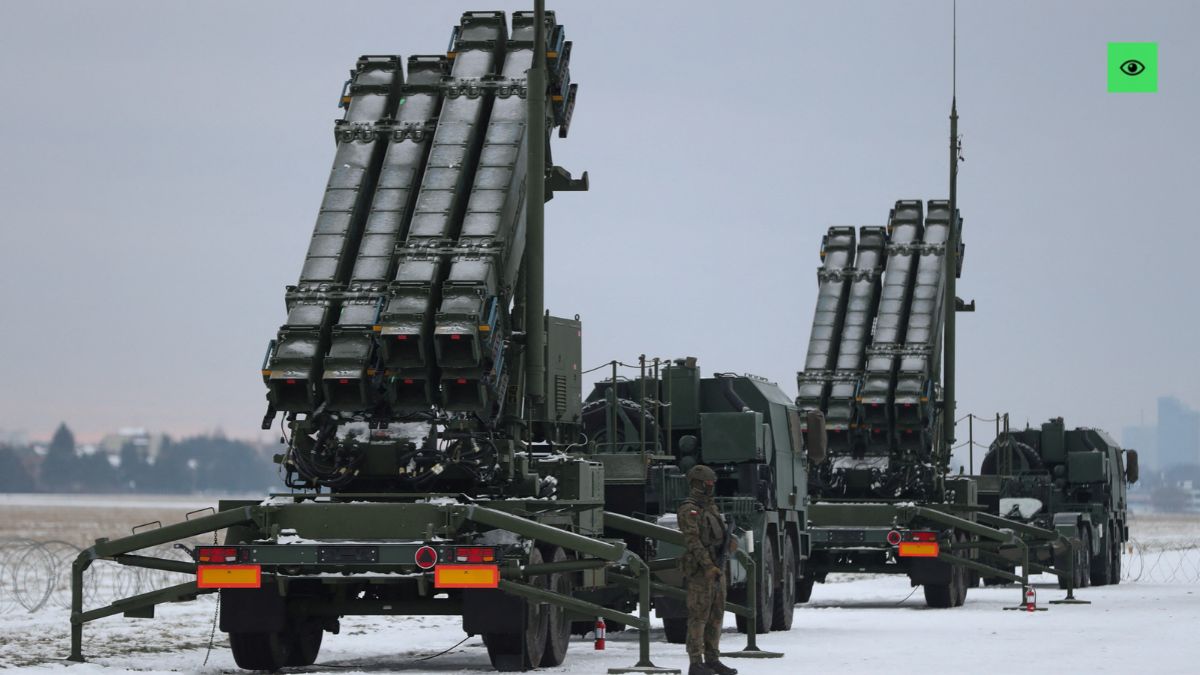
WASHINGTON D.C., 31st Oct: The United States has approved the sale of 500 Patriot PAC-3 missiles to Ukraine for an estimated $2.1 billion. It is a significant step in Kyiv’s effort to defend itself against Russian missile attacks. But there is a catch. The weapons may not arrive until the early 2030s, leaving Ukraine with an urgent defence requirement and a painfully distant delivery date.
The US State Department announced the approval on Friday, October 30. The proposed sale could become one of the most consequential moves to supply defensive weapons to Ukraine since the beginning of President Donald Trump’s second administration.
For Kyiv, the announcement is welcome. The timeline, however, is another matter.
US Patriot missiles for Ukraine: A major defence deal
Ukraine has repeatedly called for more missile interceptors as Russia intensifies attacks on its territory. The Patriot missile system remains one of the most effective weapons available to counter fast-moving ballistic missiles.
The latest approval covers 500 Patriot PAC-3 interceptors, with Lockheed Martin serving as the principal contractor.
The estimated value of the deal stands at $2.1 billion. It represents a substantial commitment to Ukraine’s air defence, particularly as Russian attacks continue to target civilian and energy infrastructure.
Yet approval does not mean immediate delivery. The missiles have not even been manufactured.
Two people briefed on the US decision said the interceptors are not expected to reach Ukraine until a couple of years into the 2030s. Weapons sales typically take years to fulfil, and this deal is no exception.
That is the uncomfortable reality behind the headline figure. Five hundred missiles sound like a formidable supply. But weapons that arrive years after the need becomes critical cannot solve an immediate battlefield problem.
Delayed deliveries strain Washington-Kyiv relations
The missile approval comes amid growing tensions between Washington and Kyiv.
Ukraine’s President Volodymyr Zelenskiy said on Monday that his country had been waiting nearly a month for the United States to approve critical missile supplies.
The delay has added to Ukraine’s frustration with the Trump administration. Relations have also been strained after Trump announced a diesel deal with Russia and criticised Zelenskiy over Ukraine’s unwillingness to stop attacks on Russian refineries.
For Kyiv, the issue is straightforward. Russia is continuing to launch attacks, and Ukraine needs interceptors to protect its cities and infrastructure.
The consequences of those attacks were visible on Thursday.
A Russian drone strike killed at least 14 people on a crowded railway platform in the Ukrainian city of Dnipro, officials said. Five more people died in daytime strikes on two other provincial cities. A late-evening missile attack killed one person in Kyiv.
These incidents underline the urgency of Ukraine’s air defence requirements.
The Patriot system is particularly important because it can engage fast-moving ballistic missiles. Ukraine has long argued that additional interceptors are essential to counter the growing waves of Russian missiles.
Who will pay for the Patriot missiles?
Ukraine will not finance the entire purchase through its own national budget.
According to the US State Department, the funding will come from contributions by Canada, Germany and Norway, routed through a programme called US JUMPSTART.
The purchase will also use national funds financed by the European Union’s Ukraine Support Loan.
The JUMPSTART programme allows allied countries to contribute towards weapons, services and training for Ukraine. Its stated purpose is to support Kyiv’s self-defence following Russia’s invasion.
The programme has already been used to finance other weapons purchases.
In August, JUMPSTART was used to buy 3,350 air-launched cruise missiles worth $825 million. Those missiles were manufactured by Zone 5 Technologies and CoAspire.
The latest Patriot deal builds on that approach, allowing allied contributions to support Ukraine’s defence without relying exclusively on direct US funding.
Ukraine wants missiles sooner, not in the 2030s
The delivery timeline remains the biggest concern.
One person briefed on the US decision said Ukraine’s Ministry of Defence is encouraging the Pentagon to bring forward the delivery date.
One possible approach involves supplying Kyiv with Patriot missiles already held in the US arsenal. Washington could then replenish those stocks with newly manufactured interceptors.
That would allow Ukraine to receive weapons sooner while giving American manufacturers time to expand production.
The proposal is significant because the United States is facing competing demands for its weapons inventories.
Washington has supplied substantial quantities of weapons to allies while also using munitions in its own military operations in Iran. This has raised concerns about the availability of key air defence and precision-guided weapons.
The challenge is not simply about approving sales. It is about ensuring that the weapons exist when they are needed.
Lockheed Martin faces pressure to expand production
Lockheed Martin is the principal contractor for the Patriot interceptor sale.
In July, the US Army awarded the company a contract worth up to $58.6 billion to produce Patriot interceptor missiles.
Lockheed has said the agreement would help it fulfil its commitment to triple PAC-3 MSE production capacity by the end of 2030.
The company also plans to increase employment at its Camden, Arkansas, plant by 50 per cent, from 1,200 workers to approximately 1,850.
Lockheed previously announced plans to raise Patriot PAC-3 missile interceptor production to 2,000 units annually.
The Pentagon is pushing contractors to move faster. Negotiators have struck tentative production agreements earlier this year as part of broader efforts to increase missile output.
Still, manufacturing capacity cannot be expanded overnight. The planned increase in production is substantial, but the delivery schedule for Ukraine shows how far the industry has to go.
The bigger question: Can production keep up?
The approval of 500 Patriot missiles is a major development for Ukraine’s defence strategy. It signals continued support from Washington and provides a framework for allied countries to finance essential weapons.
But the gap between approval and delivery remains wide.
Ukraine needs interceptors now. Russia’s attacks on cities, railway infrastructure and energy facilities are continuing. The Patriot system offers a critical defence against ballistic missiles, yet the newly approved supply could take years to materialise.
The proposed transfer of existing US stockpiles could help bridge that gap. Whether Washington can make that happen remains uncertain.
For now, the deal delivers a political and financial commitment. The real test will be whether those 500 interceptors reach Ukraine in time to make a meaningful difference.
The US approval of 500 Patriot missiles for Ukraine is a serious commitment. But let’s not confuse a signed deal with an operational capability.
Ukraine needs interceptors to defend its cities and infrastructure against Russian attacks. The missiles are critical, and the financial commitment is substantial. Yet a delivery schedule stretching into the early 2030s exposes a glaring problem in modern defence procurement: governments can approve weapons faster than manufacturers can build them.
Washington should explore the proposed transfer of existing stockpiles and accelerate production wherever possible. Allied financing is useful, but money alone cannot manufacture missiles overnight.

Any Comments?