
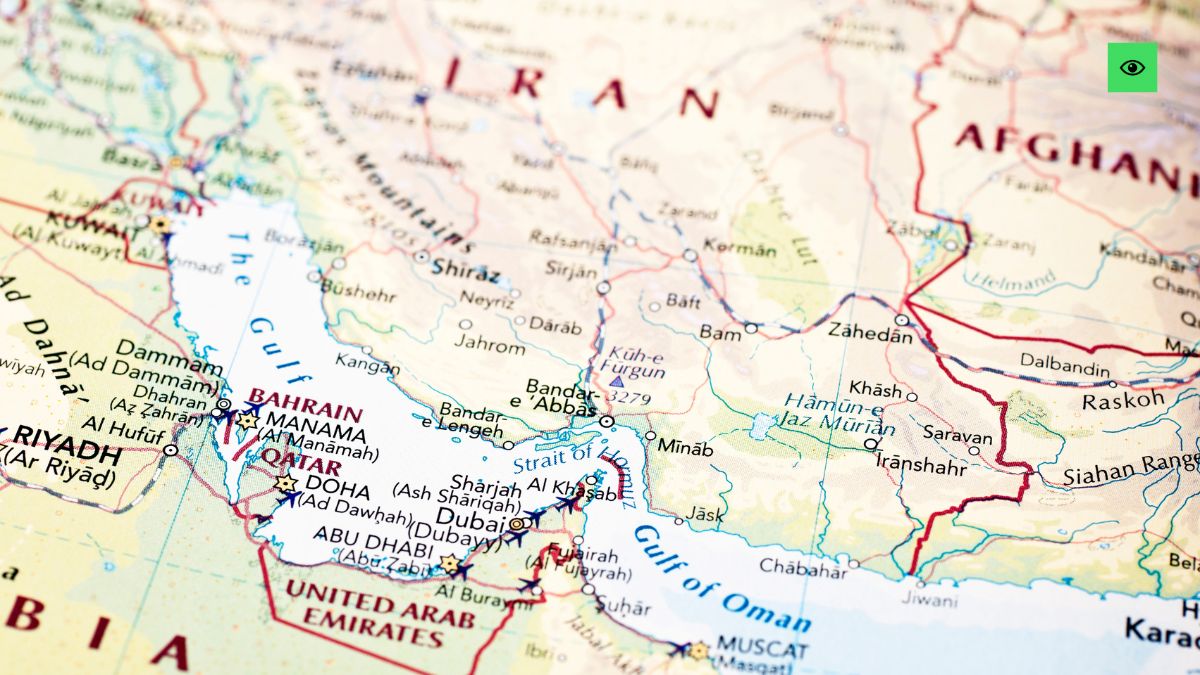
DUBAI, 6th Nov: Iran has sent the United States a nuclear proposal through Qatar, but Tehran isn’t ready to sit at the negotiating table just yet. The proposal comes with seven conditions, putting Washington under pressure to address Iran’s demands before diplomatic discussions can move forward.
Iran Nuclear Proposal Reaches Washington Through Qatar
Iran has delivered a nuclear proposal to the United States through Qatar, according to a senior Iranian official who spoke to Reuters on Thursday.
The official, who requested anonymity, said Washington was reviewing the proposal. However, Tehran has made its position clear: discussions will only move forward after the United States addresses seven demands.
The official did not disclose further details about the proposal. That leaves an important question hanging over the diplomatic process: what exactly has Iran put on the table, and how far is Washington willing to go?
For now, the proposal signals another attempt to bring both countries back towards diplomacy, even as tensions remain high.
Iran’s 7 Demands Stand Between Tehran and Washington
Iran’s position became clearer following comments by senior security official Mohsen Rezaei during a visit to Russia on Thursday.
Rezaei said Iran had communicated seven conditions to the United States and would not begin negotiations until those conditions were implemented.
He also linked the demands to the Strait of Hormuz, stating that Iran would neither reopen the strategic waterway nor enter negotiations until Washington fulfilled its conditions.
Among Iran’s demands are:
- Lifting US economic sanctions against Iran.
- Releasing frozen Iranian financial assets.
- Providing war reparations.
- Addressing other conditions included in Tehran’s seven-point demand.
The complete list of seven conditions has not been disclosed in the reported statements.
This distinction matters. Iran has outlined some of its expectations, but the full proposal remains under review.
Washington Wants Nuclear Issues Included in Initial Talks
While Tehran is pushing for its demands to be addressed first, Washington has maintained a different position.
The United States has said nuclear issues must form part of any initial negotiations.
That creates a fundamental disagreement over the starting point of diplomacy.
Iran wants action on sanctions, frozen assets and war-related compensation. Washington, meanwhile, wants nuclear matters included from the beginning.
Neither side has publicly confirmed a common negotiating framework.
And without agreement on what comes first, even the arrival of a formal proposal may not be enough to restart meaningful talks.
Qatar Steps Up Mediation as Fears of Renewed War Grow
Qatar has emerged as the channel through which Iran’s proposal reached Washington.
Mediators have intensified diplomatic efforts to end the conflict between Iran and the United States. Their urgency reflects concerns that fighting could resume after the US midterm elections.
US President Donald Trump declined on Tuesday to rule out restarting combat operations after the vote.
Iran, meanwhile, has indicated that it is preparing a wider retaliation if hostilities resume.
The diplomatic window therefore remains uncertain. Both sides have communicated positions, but the possibility of renewed military action continues to complicate negotiations.
Iran-US Conflict Has Spread Across the Middle East
The conflict began on February 28, when the United States and Israel launched attacks against Iran.
Tehran responded with strikes against Israel and Gulf countries hosting American military bases.
The confrontation subsequently extended into Lebanon, where Iran-backed Hezbollah became involved in fighting with Israel.
More recently, the conflict spread to Yemen. The Iran-aligned Houthi movement launched attacks targeting energy facilities, airports and other locations in Saudi Arabia.
This expansion has added several regional actors to an already complicated conflict.
The consequences are no longer confined to Washington and Tehran. Gulf security, regional infrastructure and the strategic importance of the Strait of Hormuz have all become part of the wider confrontation.
Strait of Hormuz Becomes a Major Negotiating Pressure Point
The Strait of Hormuz is central to Iran’s latest diplomatic position.
Rezaei explicitly linked its reopening to the implementation of Iran’s seven conditions.
This gives the waterway a prominent place in the negotiations. It is no longer simply a regional security issue in the statements coming from Tehran. Iran has connected it directly to the conditions for diplomatic engagement.
For the United States, the challenge is to address nuclear concerns while dealing with Tehran’s broader demands.
For Iran, the stated position is equally direct: no implementation of its conditions, no negotiations and no reopening of the Strait.
That leaves mediators with a difficult diplomatic equation.
What Happens Next in Iran-US Negotiations?
The immediate development is that Washington is reviewing Iran’s proposal, according to the Iranian official who spoke to Reuters.
However, there is no publicly confirmed agreement on the seven demands or the framework for negotiations.
Qatar’s mediation efforts could provide a channel for further communication, but the differences between the two governments remain significant.
The coming diplomatic discussions will depend on whether Washington and Tehran can find common ground on sanctions, frozen assets, reparations and nuclear issues.
For now, Iran has put its conditions on the table. The United States has yet to publicly accept them.
The proposal may create another opening for diplomacy, but a document travelling between capitals is not the same thing as a peace agreement.

Any Comments?