
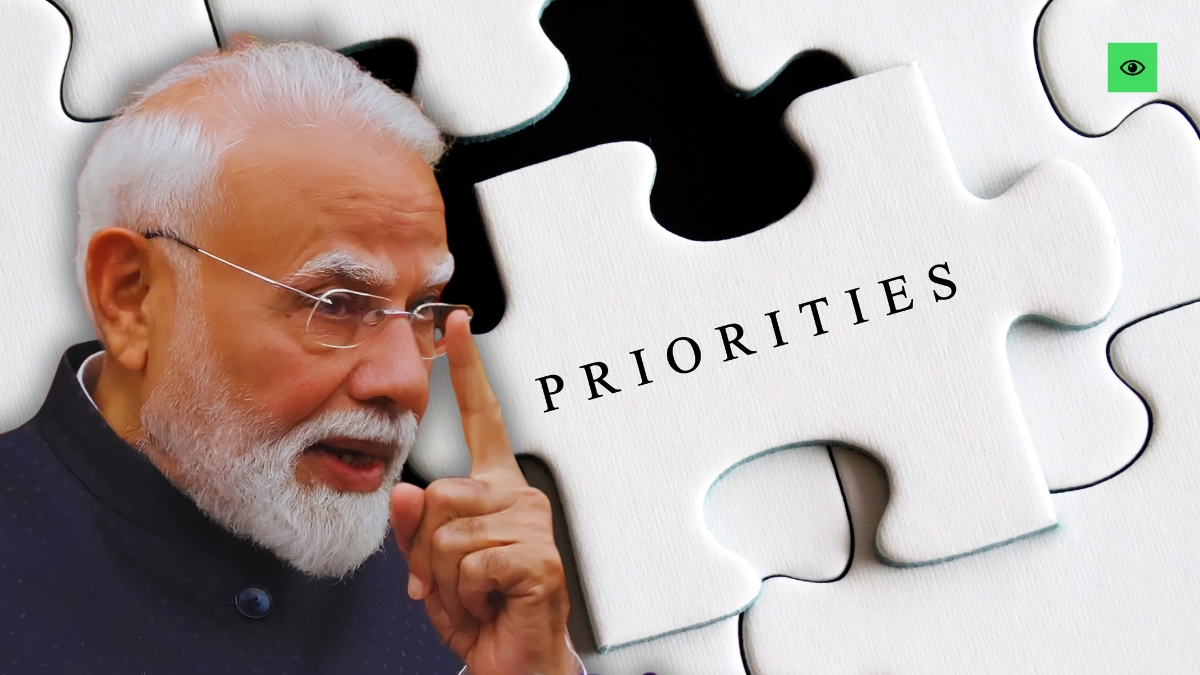
PM Modi SCO Summit 2026 visit will take the Prime Minister to Uzbekistan and Kyrgyzstan as India looks to deepen ties across Central Asia and push its priorities on security, connectivity and opportunity.

Prime Minister Narendra Modi will embark on a four-day Central Asia visit beginning Saturday, August 27, with Uzbekistan and Kyrgyzstan on the itinerary. The trip combines a state visit to Tashkent with participation in the annual Shanghai Cooperation Organisation summit in Bishkek.
The visit comes as regional security remains a major concern for the SCO, an organisation originally established to address terrorism, separatism and extremism. For India, the summit will also offer an opportunity to put its priorities firmly on the table.
MODI’S CENTRAL ASIA VISIT
The first leg of the Prime Minister’s journey will take him to Tashkent on August 29 and 30 at the invitation of Uzbekistan President Shavkat Mirziyoyev.
According to the Ministry of External Affairs, this will be Mr. Modi’s fourth visit to Uzbekistan. The two-day state visit is aimed at taking the strategic partnership between India and Uzbekistan forward.
Mr. Modi will hold delegation-level discussions with President Mirziyoyev. The talks are expected to cover several areas, including trade and investment, defence, digital connectivity, energy, education and people-to-people relations.
The two sides will also discuss their respective long-term development visions, Viksit Bharat 2047 and Uzbekistan-2030.
It is a broad agenda. And deliberately so. India-Uzbekistan relations now span far more than traditional diplomatic engagement.
INDIA-UZBEKISTAN TIES IN FOCUS
Trade and investment will feature prominently during the Prime Minister’s discussions in Tashkent. Defence cooperation is another important area, alongside energy and digital connectivity.
Education and people-to-people links are also expected to receive attention.
The MEA said the two leaders will review existing cooperation and set the agenda for the next phase of the strategic partnership.
Mr. Modi is also scheduled to visit the Lal Bahadur Shastri memorial in Tashkent and the Mahatma Gandhi Centre at the Tashkent State University of Oriental Studies.
These engagements will add a historical and cultural dimension to the diplomatic programme.
FROM TASHKENT TO BISHKEK
After Uzbekistan, Mr. Modi will travel to Bishkek, the capital of Kyrgyzstan, for the SCO summit.
The summit is expected to focus extensively on the evolving security situation in the region. That fits squarely with the organisation’s original purpose.
The SCO was established with a primary focus on combating terrorism, separatism and extremism. These challenges continue to shape the security conversation across the region.
At the summit, Mr. Modi will highlight India’s priorities of security, connectivity and opportunity.
For India, those three themes matter well beyond the conference hall.
SECURITY AT THE SCO SUMMIT
Security will be a central part of the discussions in Bishkek.
India has consistently placed counter-terrorism and regional stability among its key concerns in engagement with the SCO. The organisation brings together countries dealing with a complex and changing regional security environment.
MEA Secretary (West) Sibi George said the SCO’s original objectives continue to remain relevant as terrorism, separatism and extremism pose challenges.
The summit will therefore provide a platform for India to reinforce its position on these issues while engaging with other major members.
The gathering is also significant because it marks the 25th anniversary of the SCO. India became a full member of the organisation in 2017.
BILATERAL MEETINGS ON THE SIDELINES
The SCO summit won’t be just about the main table.
Mr. Modi is expected to hold bilateral meetings with leaders attending the summit. Russian President Vladimir Putin is among the leaders with whom the Prime Minister is learnt to be scheduled to meet on the sidelines.
Chinese President Xi Jinping and Pakistan Prime Minister Shehbaz Sharif are also among the leaders likely to attend the summit.
Such meetings provide space for India to discuss bilateral matters separately from the broader SCO agenda.
That distinction matters. Multilateral forums bring everyone into the same room, but bilateral meetings allow countries to focus on their own relationships and priorities.
WORLD NOMAD GAMES CEREMONY
Mr. Modi is also scheduled to attend the opening ceremony of the sixth World Nomad Games.
The event celebrates the cultural heritage of Central Asia and adds another dimension to the Prime Minister’s Kyrgyzstan visit.
The inclusion of the ceremony reflects the broader engagement surrounding India’s relationship with Central Asia, where cultural and people-to-people connections sit alongside strategic and economic interests.
WHY THE VISIT MATTERS FOR INDIA
The itinerary sends a fairly clear message.
India is engaging Central Asia through multiple channels at once: strategic partnerships, trade and investment, defence, energy, digital connectivity, education and cultural links.
The SCO summit adds the wider regional dimension.
The Prime Minister’s emphasis on security, connectivity and opportunity will place India’s priorities within that broader framework. At the same time, the Uzbekistan visit gives New Delhi a dedicated platform to deepen a bilateral relationship.
The two legs of the journey therefore serve different but connected purposes.
Tashkent is about strengthening a strategic partnership. Bishkek is about India’s engagement with a wider regional grouping and its security agenda.
For India, both matter.
A REGION IN FOCUS
Central Asia has become an important part of India’s wider diplomatic engagement. The Prime Minister’s visit underlines the importance New Delhi attaches to maintaining and expanding these relationships.
In Uzbekistan, the focus will be on practical cooperation across several sectors. In Kyrgyzstan, attention will shift towards regional issues and the SCO’s core priorities.
There is also a symbolic element to the journey. The Prime Minister’s visit combines strategic discussions with cultural engagements, from memorial visits in Tashkent to the World Nomad Games in Bishkek.
That makes the four-day trip broader than a standard summit visit.
WHAT TO WATCH NEXT
The key outcomes will come from the meetings themselves.
India will be looking to strengthen its partnership with Uzbekistan, review cooperation across trade, investment, defence, energy, digital connectivity and education, and establish the next phase of bilateral engagement.
At the SCO summit, India’s focus will be on security, connectivity and opportunity.
The expected bilateral meeting between Mr. Modi and Mr. Putin will also draw attention, while interactions with other SCO leaders could add further weight to the Prime Minister’s Central Asia diplomacy.
For New Delhi, the objective is straightforward: engage deeply, protect core interests and expand avenues for cooperation.
No unnecessary drama. Just diplomacy, with a fairly busy itinerary.
India’s Central Asia engagement needs consistency, not occasional bursts of diplomatic activity. The Prime Minister’s itinerary gets that basic equation right by combining a focused bilateral visit to Uzbekistan with participation in the SCO summit in Kyrgyzstan.
The priorities are also sensible. Security cannot be separated from connectivity, and connectivity means little without economic opportunity. India should continue pushing these three areas together rather than treating them as separate diplomatic boxes.
The Uzbekistan agenda is particularly practical. Trade, investment, defence, energy, digital connectivity and education offer clear avenues for sustained cooperation. The next step should be turning discussions into measurable outcomes.
At the SCO, India should remain equally direct. Security concerns are not abstract talking points. They are central to the organisation’s original purpose.
The opportunity for New Delhi is straightforward: strengthen partnerships, engage every major player where useful and keep India’s priorities unmistakable. Central Asia isn’t a side conversation. It deserves sustained strategic attention.

Any Comments?